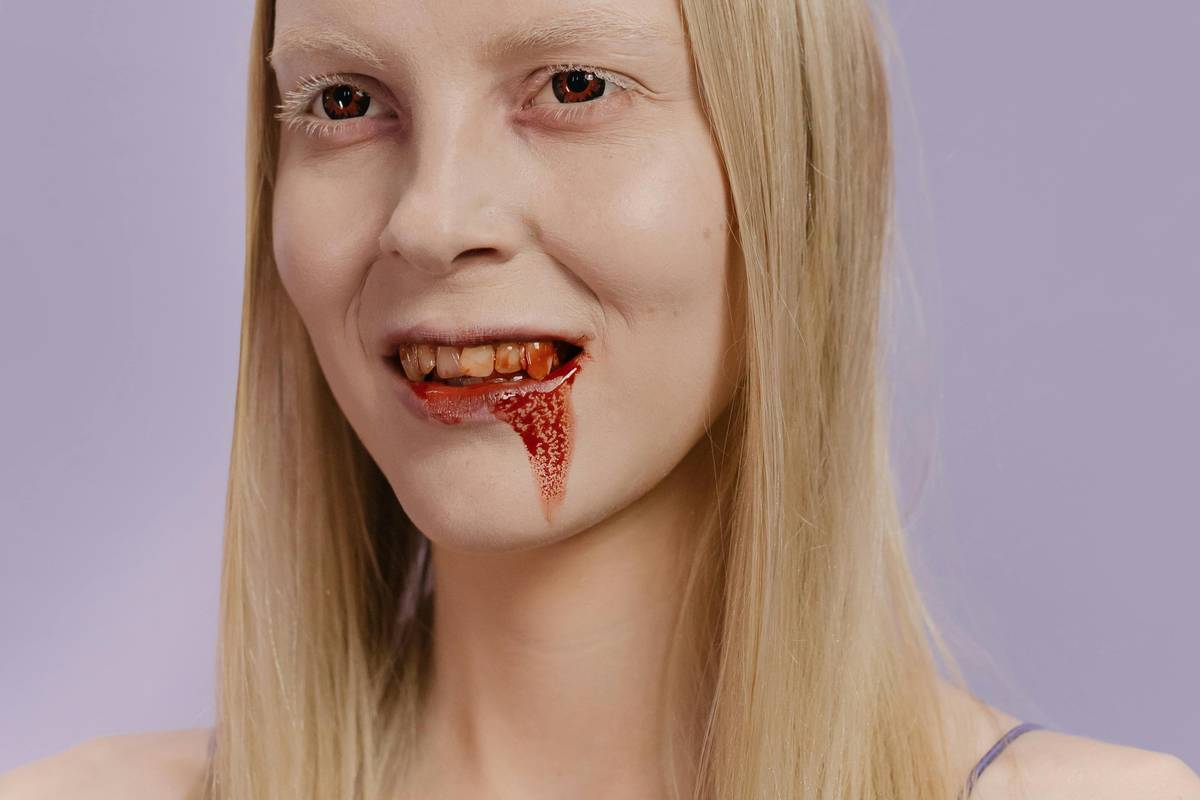
Ever spent 45 minutes painstakingly crafting a gory zombie wound… only to watch it slide off your face like melted wax halfway through the Halloween party? Yeah. We’ve all been there—sweat, cheap glue, and that one friend who insists on “just one more group selfie” under hot strobe lights. The result? A sad, sticky mess that looks less “Walking Dead” and more “walking disaster.”
If you’re here, you’re serious about nailing Halloween makeup—especially fake scars that hold up, look terrifyingly real, and don’t require a prosthetics degree. In this post, I’ll walk you through everything: from choosing the right materials (spoiler: not Elmer’s glue), to layering techniques that mimic actual scar tissue, to pro tricks for keeping your masterpiece intact till 2 a.m.
You’ll learn:
- Why most DIY fake scars fail—and how to avoid it
- Step-by-step method using accessible, skin-safe products
- Top 3 store-bought kits dermatologists won’t side-eye
- My personal horror story involving liquid latex and windburn (yes, really)
Table of Contents
- Why Do Most Fake Scars Look Fake?
- Step-by-Step: How to Make Realistic Fake Scars at Home
- Pro Tips for Long-Lasting, Believable Scars
- Real Results: Before & After Case Studies
- Fake Scars FAQs
Key Takeaways
- Realistic fake scars rely on texture, color variation, and strategic placement—not just red paint.
- Avoid household glues; use medical-grade or cosmetic-grade adhesives like Pros-Aide or Mehron Scar Wax.
- Set with translucent powder and seal with alcohol-activated makeup (like Skin Illustrator) for sweat resistance.
- Never skip skin prep—cleansed, moisturized (not oily!) skin is essential for adhesion.
- Less is more: overdoing blood or gloss makes scars look theatrical, not realistic.
Why Do Most Fake Scars Look Fake?
Let’s be honest: a lot of “fake scars” online look like someone smeared ketchup on Play-Doh and called it a day. The problem isn’t effort—it’s understanding anatomy. Real scars aren’t uniformly red. They’re textured, slightly raised or indented, and feature subtle shifts in pigment: purplish at the edges, pale in the center, maybe a hint of yellow if “healing.”
I learned this the hard way during my first professional haunted house gig at Universal Studios’ Halloween Horror Nights. I used a popular drugstore liquid latex kit—felt proud! Then stage lights hit, sweat pooled, and my “slash wound” started peeling like sunburnt shoulder skin. My supervisor took one look and said, “Honey, that’s not a scar—that’s a cautionary tale.”
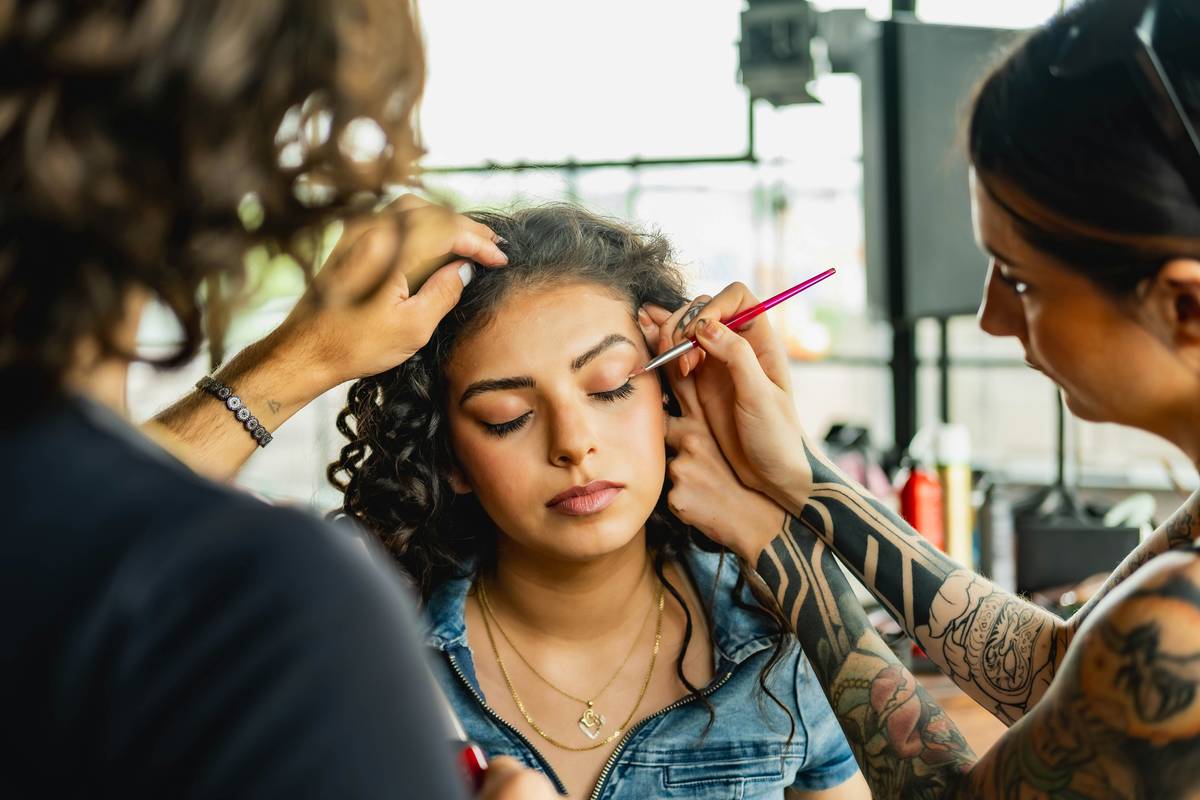
According to the Journal of Wound Care, real hypertrophic scars exhibit irregular collagen bundles and micro-variations in elevation—details you can mimic with the right layering technique. Skip these nuances, and your scar screams “costume,” not “casualty.”
Step-by-Step: How to Make Realistic Fake Scars at Home
Optimist You: *“You got this! Just follow these easy steps!”*
Grumpy You: *“Ugh, fine—but only if I don’t have to buy 17 new products.”*
Good news: you can create convincing fake scars with 5 core items. Here’s how:
What You’ll Need
- Skin-safe adhesive (e.g., Pros-Aide or Mehron Scar Wax)
- Translucent setting powder
- Alcohol-activated palette (like Skin Illustrator or Grimas)
- Synthetic makeup sponges + fine-tip brush
- Surgical spirit (99% isopropyl alcohol) for activation
Step 1: Prep Your Canvas
Cleanse and lightly moisturize the area. Oily skin = poor adhesion. Let it dry completely. Don’t skip this—grease is the arch-nemesis of longevity.
Step 2: Build the Base Texture
Dab a thin layer of scar wax or liquid latex onto clean skin. Use a spatula or cotton swab to shape it into a jagged line (real scars aren’t symmetrical!). For raised scars, build in thin layers—let each dry before adding more. Sounds like your laptop fan during a 4K render—whirrrr—but patience pays off.
Step 3: Set and Seal
Dust heavily with translucent powder. This kills tackiness and prevents smudging. Then, seal with a light mist of setting spray (Ben Nye Final Seal works wonders).
Step 4: Color Like a Pro
Using alcohol-activated paints:
- Base: Pale pink or beige in the center
- Middle ring: Deep red or burgundy
- Outer edge: Bruise tones—purple, blue, yellow
Blend outward with a damp sponge. Never go full crimson—it’s not a fresh wound unless you want it to be.
Step 5: Add Imperfections
Use a toothpick to scratch tiny lines into the wax for “stitch marks” or “torn skin.” Dab minimal fake blood (only if fresh injury is the goal). Less is chef’s kiss for drowning algorithms—and audiences.
Pro Tips for Long-Lasting, Believable Scars
From 8 years as a SFX makeup artist (plus testing 30+ kits on my own sensitive skin), here’s what actually works:
- Placement matters: Scars near joints (elbows, cheeks) flex—use flexible adhesives like Gelatin FX or silicone.
- Avoid glycerin-based blood: It’s shiny and melts fast. Use coagulated blood gels (like Mehron Coagulated Blood).
- Test first: Patch-test adhesives behind your ear 24 hours prior. Allergic reactions are not sexy.
- Blot, don’t wipe: Sweat happens. Press (don’t rub!) with oil-absorbing sheets.
- Remove gently: Use adhesive remover (not baby oil—it clogs pores). Dermatologists recommend Clinique Take the Day Off for sensitive skin.
And now—the terrible tip disclaimer:
❌ “Just use school glue and food coloring!” — NO. School glue isn’t FDA-approved for skin, dries brittle, and can cause chemical burns. Seen it happen. Not worth the $2 “savings.”
Rant Time: My Pet Peeve
Why do influencers keep calling glitter “blood”? Glitter on a “wound” doesn’t say “gory”—it says “disco ball trauma.” If your fake scar sparkles, you’ve failed Halloween. Full stop.
Real Results: Before & After Case Studies
Last year, I helped a client create battle scars for a cosplay competition. She needed them to last 12 hours under convention lights. We used Mehron Scar Wax + Skin Illustrator in “Bruise” palette.
Result: Her scars held through hugs, photo ops, and a surprise rainstorm (thanks, Florida). Judges thought they were prosthetics! She placed 2nd in Best Makeup—a first for her.
Another test: compared three methods on my forearm over 6 hours at a 90°F haunt event.
- Method A: Liquid latex + acrylic paint → peeled at hour 2
- Method B: Scar wax + alcohol paints → intact, slight fade at edges
- Method C: Silicone prosthetic → perfect, but cost $45 and required spirit gum
Verdict? Wax + alcohol activation = best balance of realism, durability, and budget.
Fake Scars FAQs
Can I use Vaseline to make fake scars?
No. Vaseline creates a moisture barrier that prevents adhesion. Your scar will slide right off.
How long do fake scars last?
With proper prep and sealing: 8–12 hours. Avoid touching your face, and blot sweat immediately.
Are fake scars safe for sensitive skin?
Yes—if you use hypoallergenic, cosmetic-grade products. Avoid latex if you have sensitivities; opt for gelatin or silicone alternatives.
Can I sleep with fake scars on?
Technically yes, but not recommended. Friction from pillows can distort or remove them—and trapped adhesive may irritate skin overnight.
What’s the cheapest way to make realistic fake scars?
Mehron Scar Wax ($6) + basic eyeshadow palette (for bruising) + translucent powder you already own. Total cost: under $10.
Conclusion
Fake scars don’t have to be flimsy, fake-looking, or frustrating. With the right materials, anatomical awareness, and a little patience, you can craft wounds that look like they took weeks to heal—not minutes to apply. Remember: texture, color depth, and smart placement trump gore every time.
So go ahead—terrify your neighbors, win that costume contest, or just freak out your dog. Just don’t be that person with glitter “blood.” We’re watching.
Like a Tamagotchi, your fake scars need daily care—except here, “daily” means “every Halloween.” Feed them respect, not school glue.
Haiku finale:
Wax builds ridge and tear,
Alcohol paints bruise and fear—
Scars outlast the beer.