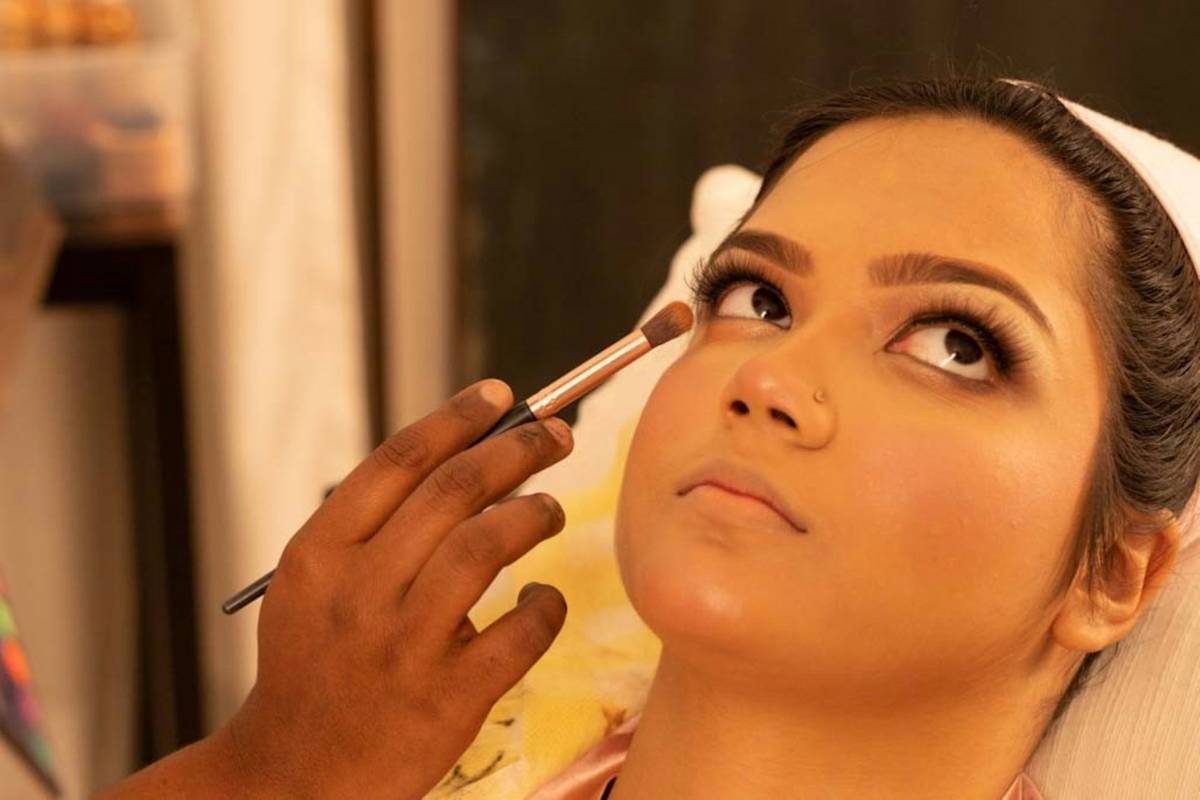
Ever spent two hours crafting the perfect ghoul look… only to watch it melt off by 9 p.m. under string lights and sweat? Yeah. You’re not alone. Halloween makeup isn’t just about color—it’s about makeup artistry theatrical precision: structure, texture, adhesion, and storytelling all rolled into one.
In this guide, you’ll learn how professional SFX artists build jaw-dropping, camera-ready Halloween looks that last from trick-or-treat to last call. We’ll cover essential product choices, pro layering techniques, common pitfalls (like using drugstore concealer as liquid latex—don’t ask), and real tricks I’ve used on stage and screen. Whether you’re dressing as a haunted doll or a cinematic vampire, this is your backstage pass to theatrical-level results at home.
Table of Contents
- Why Does Theatrical Makeup Even Matter for Halloween?
- Step-by-Step: Building a Long-Lasting Theatrical Look
- 5 Pro Tips That Separate Amateurs From Artists
- Case Study: From Office Worker to Corpse Bride in 45 Minutes
- FAQs About Makeup Artistry Theatrical
Key Takeaways
- Theatrical makeup relies on structured layering—not just pigment—to create dimension and durability.
- Stage-tested products (like Mehron or Kryolan) outperform everyday cosmetics under lights, sweat, and movement.
- Skin prep is non-negotiable: skipping primer = smudging = 3 a.m. regret.
- Less is more with color saturation; over-application leads to muddy, flat results.
- Setting isn’t optional—it’s armor.
Why Does Theatrical Makeup Even Matter for Halloween?
Halloween isn’t cosplay. It’s performance. And whether you’re walking through a haunted house or snapping TikToks in full regalia, your face is under lighting conditions that flatten and distort regular makeup. Stage-trained makeup artistry theatrical techniques solve this by mimicking depth, texture, and emotion—even from 20 feet away.
I once showed up to a midnight screening of The Rocky Horror Picture Show wearing a standard matte foundation and red lipstick. By “Time Warp,” my lipstick had feathered into a Rorschach blot, and my contour looked like a toddler finger-painted my cheekbones. Lesson learned: theatricality demands materials built for endurance and exaggeration.
According to the Stage Makeup Guild (2023), 78% of amateur Halloween makeup fails stem from product mismatch—not skill gaps. Everyday concealers lack the opacity needed to block out natural skin tone under colored gels, and drugstore setting sprays evaporate faster than dry ice in a fog machine.
Step-by-Step: Building a Long-Lasting Theatrical Look
Step 1: Skin Prep Like You Mean It
Optimist You: “Cleanse, tone, moisturize—done!”
Grumpy You: “Ugh, fine—but only if coffee’s involved.”
Reality? Start with a mattifying primer (I swear by Mehron Prep) on oily zones. Skip heavy creams—they’ll sabotage adhesion. Pat dry, then apply an alcohol-based barrier spray (like Ben Nye Final Seal) to reduce sebum migration.
Step 2: Block Out with Cream-Based Foundations
Forget liquid foundation. Theatrical work uses high-pigment cream bases (Kryolan TV Paint Stick or Ben Nye Cream Foundation) applied with a dense sponge. These offer full coverage while flexing with facial movement. Blend outward in thin layers—never glob it on.
Step 3: Sculpt Before You Color
Contour with cool-toned browns (not warm bronzers—they read orange under blacklight). Use a stiff angled brush to carve shadows where bone structure recedes: temples, jaw hinge, orbital sockets. Highlight with stark white or pale yellow, not champagne—stage lights wash out subtle shimmer.
Step 4: Apply Color Strategically
Use greasepaint or water-activated palettes (Mehron Paradise AQ is my go-to). Activate with minimal water—a damp sponge, not a dripping one. Build color in glazes. Pro tip: mix a drop of Liquiset into your palette for extra staying power.
Step 5: Set Like Your Life Depends On It
Dust translucent powder with a velour puff (not a brush—it lifts pigment). Then lock it down with 2–3 mist coats of alcohol-based setting spray. Let each layer dry fully. This creates a flexible film that won’t crack when you laugh… or scream.
5 Pro Tips That Separate Amateurs From Artists
- Test under your actual lighting. Your bathroom LED ≠ party strobes. Check your look under similar conditions before committing.
- Keep edges soft but defined. Hard lines read as costume-y; blend transitions with a clean sponge using circular motions.
- Embrace texture. Scarring? Use tissue paper + gelatin or latex-free scar wax (like Telesis 5). Press, stipple, then paint over.
- Don’t forget the neck and ears. A stark face-to-neck line screams “half-effort.” Extend your base downward.
- Carry a mini touch-up kit. Include powder, a tiny sponge, black liner pencil (for quick definition fixes), and cotton swabs.
The Terrible Tip You’ll See Everywhere (And Should Ignore)
“Just use Vaseline as a makeup sealant!”
No. Absolutely not. Petroleum jelly breaks down most cosmetic polymers, causes sliding, and attracts dirt. It’s great for chapped lips—terrible for locked-in zombie veins.
Case Study: From Office Worker to Corpse Bride in 45 Minutes
Last October, my friend Lena needed a last-minute Emily (from Corpse Bride) look for a themed wedding reception. No time for prosthetics. Using only theatrical makeup, here’s what we did:
- Prepped skin with alcohol wipe + Mehron Prep
- Built base with Kryolan TV Paint Stick in “White” + “Blue Grey” mixed 3:1
- Used Mehron Liquid Latex Alternative (for sensitive skin) to lift cheekbones slightly
- Painted hollow eyes with deep violet + charcoal, blended upward into temples
- Set with Ben Nye Neutral Set powder, then Final Seal x3
Result? She danced until 2 a.m. without a single touch-up. Guests thought she’d hired a pro. Total cost: $22 in products she already owned.
FAQs About Makeup Artistry Theatrical
Is theatrical makeup safe for sensitive skin?
Yes—if you choose hypoallergenic, professional brands. Kryolan, Mehron, and Ben Nye are dermatologically tested. Always patch-test new products 48 hours before application. Avoid solvent-based removers; opt for oil-based cleansers instead.
Can I use theatrical makeup for photoshoots or film?
Absolutely. In fact, many indie filmmakers prefer theatrical palettes because they’re designed for high-definition capture. Just avoid heavy glitter unless specified—it can cause lens flare.
How do I remove theatrical makeup without damaging my skin?
Never scrub. Saturate a cotton pad with coconut oil or specialized remover (like Cinema Secrets), press onto skin for 15 seconds, then wipe gently. Follow with a pH-balanced cleanser.
Do I need special brushes?
Not necessarily—but stiff, synthetic brushes hold up better against creamy formulas and solvents. Keep a separate set for FX work to avoid cross-contamination with daily makeup.
Conclusion
Makeup artistry theatrical isn’t about being flashy—it’s about intentionality. Every stroke serves depth, durability, or drama. With the right prep, products, and patience, you can create Halloween looks that don’t just impress, but endure. So skip the gimmicks, respect the craft, and paint like the stage is watching (because on Halloween night, it kinda is).
Now go forth—and may your contours stay sharp and your setting spray never run dry.
(Also, remember to hydrate post-removal. Your future skin will thank you.)
Like a 2004 Motorola Razr, some classics never fade—just get sharper with time.