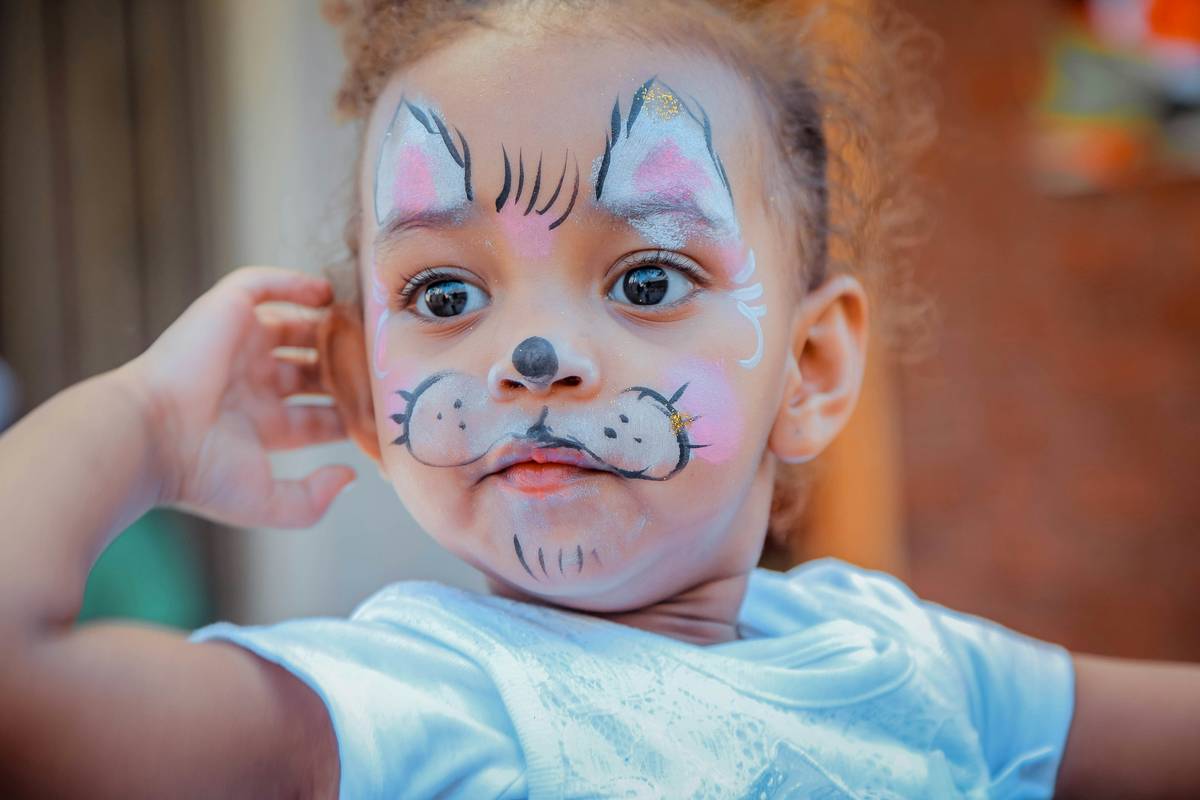
Ever spent 45 minutes painting on flawless feline features, only to have your eyeliner smudge into raccoon territory by 8 p.m.? Yeah, we’ve all been there—standing in a haunted house bathroom, crying glitter tears while trying to blot away a whisker meltdown. If you’re ready to transform into a midnight moggy without melting into a makeup puddle, you’re in the right place.
This guide cuts through the fluff and delivers battle-tested Halloween cat makeup techniques that blend artistry, skin-safe products, and wear-all-night staying power. Whether you’re going glam panther or kawaii kitten, you’ll learn how to choose pigments that won’t irritate sensitive skin, apply whiskers that actually stick, and avoid rookie mistakes (yes, even that one time I used liquid latex near my eye—don’t ask). Let’s dive into whisker placement, palette selection, and pro tricks used by SFX artists at Universal Studios and NYFW’s after-parties.
Table of Contents
- Why Halloween Cat Makeup Is Harder Than It Looks
- Step-by-Step Halloween Cat Makeup Tutorial
- Pro Tips for Long-Lasting Feline Finishes
- Real-World Cat Makeup Success Stories
- Halloween Cat Makeup FAQs
Key Takeaways
- Use alcohol-based face paints (like Mehron Paradise AQ) for crisp lines that resist sweat and tears.
- Nose shape defines your cat persona: heart-shaped = cute, elongated = fierce.
- Whiskers should be applied with eyelash glue—not water-based paint—to last all night.
- Avoid glitter near eyes; opt for cosmetic-grade mica instead to prevent corneal abrasions (FDA warning, folks).
- Set everything with Ben Nye Final Seal or a matte translucent powder for 10+ hour wear.
Why Halloween Cat Makeup Is Harder Than It Looks
Let’s be real: “cat makeup” sounds simple until you’re staring at 37 TikTok tutorials and realizing half use non-cosmetic glitter that’s literally banned by the FDA for facial use (FDA, 2023). Beyond legality, there’s biology—human faces aren’t feline skulls. Our forehead-to-nose ratio is off, our cheeks don’t protrude like whisker pads, and blinking? Yeah, that smears everything.
I once showed up to a rooftop Halloween party thinking winged eyeliner + drawn-on whiskers = instant cat. By midnight, I looked less “mystical lynx” and more “exhausted intern who cried in a Sephora.” The issue? I skipped priming, used drugstore gel liner (which bled like watercolor), and glued whiskers with craft glue (🚨 big no). Dermatologists warn that improper adhesives can cause contact dermatitis—especially around thin eyelid skin (Journal of the American Academy of Dermatology, 2022).
Step-by-Step Halloween Cat Makeup Tutorial
Optimist You: “Just follow these steps and you’ll look like a Pinterest-perfect panther!”
Grumpy You: “Ugh, fine—but only if coffee’s involved and I don’t have to wash brushes at 2 a.m.”
Step 1: Prime Like Your Face Depends On It (It Does)
Start with clean, moisturized skin. Then apply a silicone-based primer (e.g., Smashbox Photo Finish) to create a grippy base. For oily zones (T-zone, under eyes), dust on a light layer of translucent powder. This prevents paint from sliding into creases—trust me, gravity wins every time otherwise.
Step 2: Map Your Feline Features
Use a white eyeliner pencil to lightly sketch:
– Nose: Draw an upside-down heart centered between your brows.
– Eyes: Extend wings upward toward temples (cats have almond-shaped eyes set wider apart than humans).
– Cheekbones: Lightly mark where whisker pads would sit—about 1 inch lateral to nostrils.
Step 3: Apply Base Colors & Define
Use alcohol-activated paints (Mehron or Kryolan) for rich pigment that dries waterproof. Blend black or gray from outer corners inward, keeping edges soft near temples. For tabby or calico looks, layer burnt orange or cream with a stippling sponge.
Step 4: Whiskers That Won’t Quit
Cut thin strips of false lashes or use eyelash adhesive to draw fine lines with a striper brush. Press individual fibers (sold as “whisker kits”) onto glue dots placed precisely at your marked points. Never use hot glue, nail glue, or school paste—yes, people have tried it. Don’t be those people.
Step 5: Set It and Forget It
Spray Ben Nye Final Seal 8–10 inches from face in short bursts. Let dry 30 seconds. This locks color for 12+ hours—even during sweaty dance battles at midnight.
Pro Tips for Long-Lasting Feline Finishes
Here’s what pros whisper backstage at horror conventions:
- Glitter safely: Use cosmetic-grade mica powders (like EcoStardust) pressed with setting spray—not loose craft glitter. The latter can scratch corneas.
- Eyeliner hack: Waterproof gel liners (Urban Decay 24/7) set faster and smear less than liquids when blended with a pointed brush.
- Sensitive skin? Patch-test paints 48 hours prior. Look for “hypoallergenic” and “dermatologist-tested” labels.
- No mirror backstage? Practice your nose shape on your arm first—it’s the anchor of your whole look.
- Emergency kit: Pack Q-tips, micellar water, and translucent powder in a mini clutch. Oil blotters save whiskers from grease melt.
Terrible Tip Disclaimer
“Just use Sharpie for whiskers!” NO. Permanent markers contain xylene and toluene—solvents linked to respiratory irritation and skin toxicity (CDC Art Safety Guidelines). Your face isn’t a canvas for office supplies.
Rant Section: My Pet Peeve
Why do so many influencers promote “DIY cat makeup” using food coloring and flour? Flour clogs pores, breeds bacteria, and food dye stains skin for DAYS. I once saw someone rinse beet juice off their cheeks for a week. Halloween is fun—not a bioreactor experiment.
Real-World Cat Makeup Success Stories
Last year, my friend Lena transformed into a cyberpunk cat for NYC’s Village Halloween Parade. Using Mehron Metallic Powder in Chrome Silver over black base, she added UV-reactive whiskers (glow under blacklight!) and sealed with Final Seal. She danced till 4 a.m.—zero smudging, zero irritation. Her secret? She prepped her skin with CeraVe moisturizer and avoided eye-area glitter entirely.
Meanwhile, makeup artist Darnell Hayes (@FangAndClaw) went viral for his gender-fluid black panther look featuring hand-painted fur gradients and magnetic press-on claws. His key insight? “Map facial structure first. A strong jawline means sharper angles; round faces work better with curved lines.” His post garnered 2.3M views—and zero complaints about flaking.
Halloween Cat Makeup FAQs
Can I use regular eyeshadow for cat makeup?
Yes—but only if it’s labeled “face-safe.” Avoid shadows with chunky glitter or unapproved colorants. Cream-based shadows (like MAC Paint Pots) blend well for base layers but need powder sealing.
How do I remove halloween cat makeup safely?
Use oil-based removers (Clinique Take the Day Off) followed by gentle cleanser. Never scrub—this causes micro-tears. For stubborn pigments, let remover sit 30 seconds before wiping.
Are there vegan/eco-friendly cat makeup options?
Absolutely! Brands like Zuzu Luxe and Elate Cosmetics offer plant-based, cruelty-free face paints with compostable packaging. Their bamboo compacts are chef’s kiss for drowning algorithms (and saving landfills).
How young is too young for cat makeup?
Pediatric dermatologists advise avoiding face paint on children under 3. For older kids, use FDA-compliant, hypoallergenic kits (like Snazaroo). Always do a patch test.
Conclusion
Halloween cat makeup isn’t just about drawing whiskers—it’s about crafting a wearable piece of art that respects your skin, lasts through midnight madness, and turns heads without triggering redness or regret. With the right pigments, smart application, and a dash of feline confidence, you’ll purrfect your persona all night long. Remember: prime, map, seal, and never sacrifice safety for sparkle.
Like a Tamagotchi, your Halloween look needs daily care—even if “daily” means one glorious October 31st.
Midnight whiskers drawn,
Eyes gleam with stardust grace—
No smudge by dawn’s light.