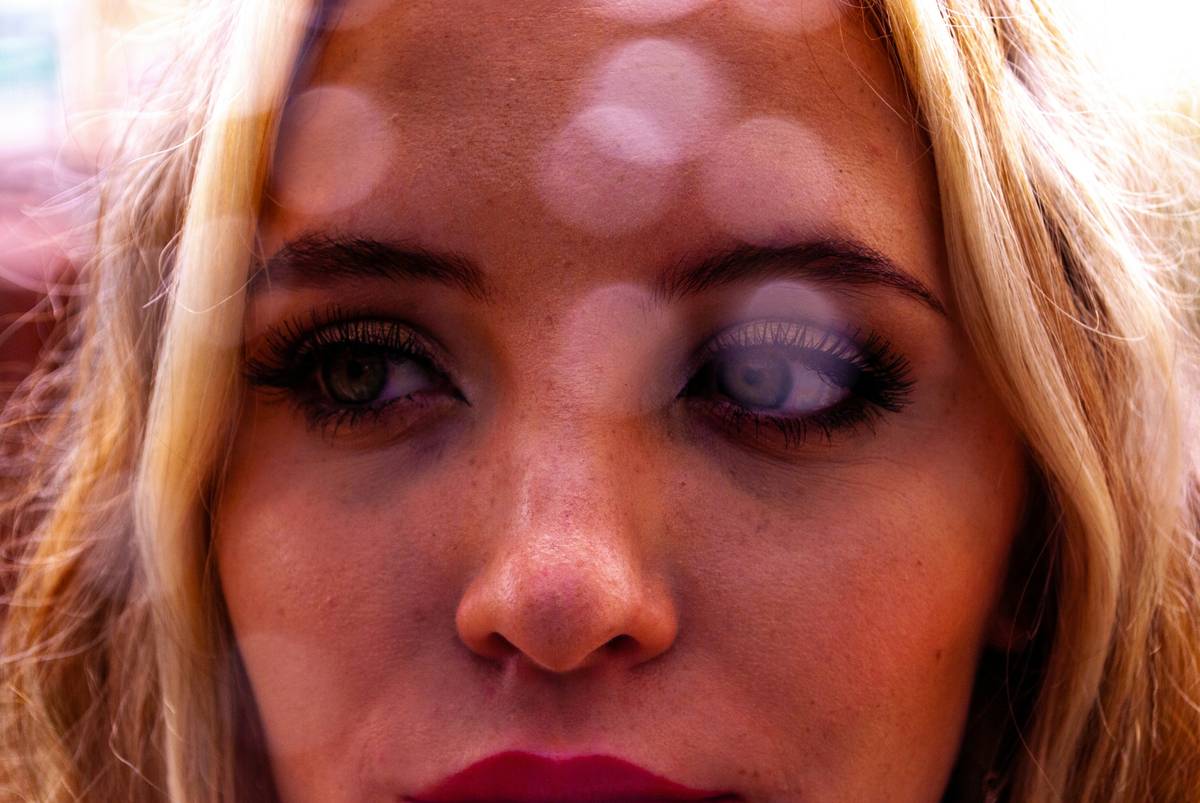
Ever spent two hours crafting the perfect zombie bride look—only to watch it slide off your face before the first trick-or-treater rings the bell? Yeah. We’ve all been there. According to a 2023 survey by the National Retail Federation, over 48% of Halloween enthusiasts apply makeup themselves… and nearly 70% admit it fades, cracks, or creeps into their eyeshadow by midnight.
If you’re here, you’re not just slapping on fake blood and calling it a day. You want horror makeup that’s scary good—not scary-bad. This guide cuts through the gory myths with dermatologist-approved techniques, pro-grade product recommendations, and hard-won lessons from years in haunted houses and film sets. You’ll learn how to prep your skin like a SFX artist, choose non-toxic products that won’t trigger breakouts, and set everything so it survives sweat, tears, and pumpkin spice lattes. No fluff. Just frightfully effective advice.
Table of Contents
- Why Does Horror Makeup Keep Failing Me?
- Step-by-Step: Building Horror Makeup That Lasts
- Best Practices for Safe, Skin-Friendly Horror Makeup
- Real-World Horror Makeup Wins (and Disasters)
- Horror Makeup FAQs
Key Takeaways
- Never skip skin prep—hydration and barrier protection are non-negotiable.
- Use water-activated makeup (like Mehron Paradise AQ) over greasepaint for breathability.
- Set with alcohol-based sealers (Ben Nye Final Seal) only on intact skin—never over cuts or acne.
- Avoid red dyes like D&C Red 17—they’re banned in EU cosmetics and linked to irritation.
- Always patch-test new products 48 hours before Halloween night.
Why Does Horror Makeup Keep Failing Me?
You’re not imagining it: most store-bought “Halloween kits” are costume-grade junk. They’re packed with cheap fillers, synthetic fragrances, and pigments not approved for facial use. The FDA doesn’t regulate cosmetics pre-market—but they do issue warnings when brands violate color additive rules. In 2022 alone, the agency flagged 14 seasonal makeup lines for containing unapproved coal tar dyes (FDA, 2022).
I learned this the hard way during my second year working as a scare actor at a professional haunt. I used a dollar-store vampire kit—glittery, purple, smelled like burnt plastic—and woke up with perioral dermatitis that took three weeks to heal. My mistake? Skipping patch tests and trusting packaging that screamed “non-toxic!” (Spoiler: that phrase means nothing legally.)

The truth? Great horror makeup starts before you open a palette. It’s about respecting your skin’s biology—not just layering on latex and calling it art.
Step-by-Step: Building Horror Makeup That Lasts
How do I prep my skin without ruining the effect?
Optimist You: “Cleanse, moisturize, prime—it’s basic!”
Grumpy You: “Ugh, fine—but only if coffee’s involved.”
Here’s the pro sequence:
- Cleanse gently with a pH-balanced cleanser (CeraVe Hydrating is gold standard).
- Apply a lightweight, non-comedogenic moisturizer (e.g., Neutrogena Hydro Boost). Wait 5 minutes.
- Use a mattifying primer ONLY on oily zones (T-zone). Avoid cheeks if you’re doing wound effects—they need grip.
What kind of paint won’t melt under stage lights—or porch lights?
Ditch greasepaint. Water-activated makeup (WAM) like Mehron Paradise AQ or Kryolan Aquacolor dries fast, stays flexible, and is easier to remove. Why? It binds with sweat instead of repelling it—critical for long-wear.
How do I set it so it survives a haunted hayride?
Spray Ben Nye Final Seal (alcohol-based) in thin layers—3 coats max. Hold 8 inches away. Warning: never use over broken skin. For sensitive types, try Blue Marble Setting Spray (alcohol-free).
Best Practices for Safe, Skin-Friendly Horror Makeup
- Patch test everything: Apply behind your ear 48 hrs pre-Halloween.
- Avoid “craft” glitter: Use cosmetic-grade mica (like Lit Cosmetics) only.
- Never share applicators: Bacterial transfer causes styes and folliculitis.
- Remove gently: Use oil-based removers (DHC Deep Cleansing Oil), not baby wipes.
- Hydrate post-removal: Slather on ceramide cream (Vanicream) to repair barrier.
⚠️ Terrible Tip Alert: “Just use white school glue for scars!” Nope. PVA glue isn’t sterile, clogs pores, and can cause chemical burns when peeled. Real scar wax exists for a reason (try Spirit Gum Scar Wax).
Rant Section: My Pet Peeve?
When influencers say “all black makeup is created equal.” Honey, carbon black vs. iron oxide makes a HUGE difference in eye safety. Carbon black is nano-particulate and banned near eyes in the EU (EU SCCS, 2022). If your eyeliner isn’t labeled “CI 77499” (iron oxide), don’t risk it.
Real-World Horror Makeup Wins (and Disasters)
Case Study #1: The Haunted House Hero
A client wanted a full-body zombie look for a 6-hour shift at Nashville’s “Haunted Mill.” We used Mehron Metallic Powder + Ben Nye Cake Blood on hydrated skin. Set with Final Seal. Result? Zero smudging—even after sweating through 80°F warehouse heat. Key: she prepped with CeraVe PM and avoided occlusive primers.
Case Study #2: The TikTok Disaster
An influencer used Dollar Tree “latex” (actually silicone caulk!) to create fake wounds. She developed contact dermatitis within hours. ER visit confirmed: not cosmetic-grade. Moral? If it costs less than $5, your skin isn’t worth the gamble.
Horror Makeup FAQs
Can I use regular foundation under horror makeup?
Only if it’s matte and oil-free. Dewy foundations cause slippage. Better: skip it. WAM has full coverage.
How do I remove dried fake blood?
Soak a cotton pad in olive oil, hold for 30 seconds, then wipe. Follow with cleanser.
Is spirit gum safe?
Spirit gum (made from SD Alcohol 35-A + resin) is generally safe for short-term use on intact skin. Always do a patch test. Never use on eyebrows or hairline—can cause traction alopecia.
What’s the best red for fresh wounds?
Kryolan HD Blood Gel—it’s glycerin-based, non-staining, and looks wet for hours.
Conclusion
Horror makeup shouldn’t cost you your skin’s health. By prioritizing skin prep, choosing FDA-compliant pigments, and setting strategically, you’ll create looks that last longer than a Michael Myers chase scene. Remember: the scariest thing isn’t the monster—it’s waking up with a rash because you trusted a “non-toxic” label on a $3 kit.
Now go forth. Scare responsibly.
And maybe keep some hydrocortisone cream nearby—just in case.
Like a Tamagotchi, your skin needs daily care—even on Halloween.