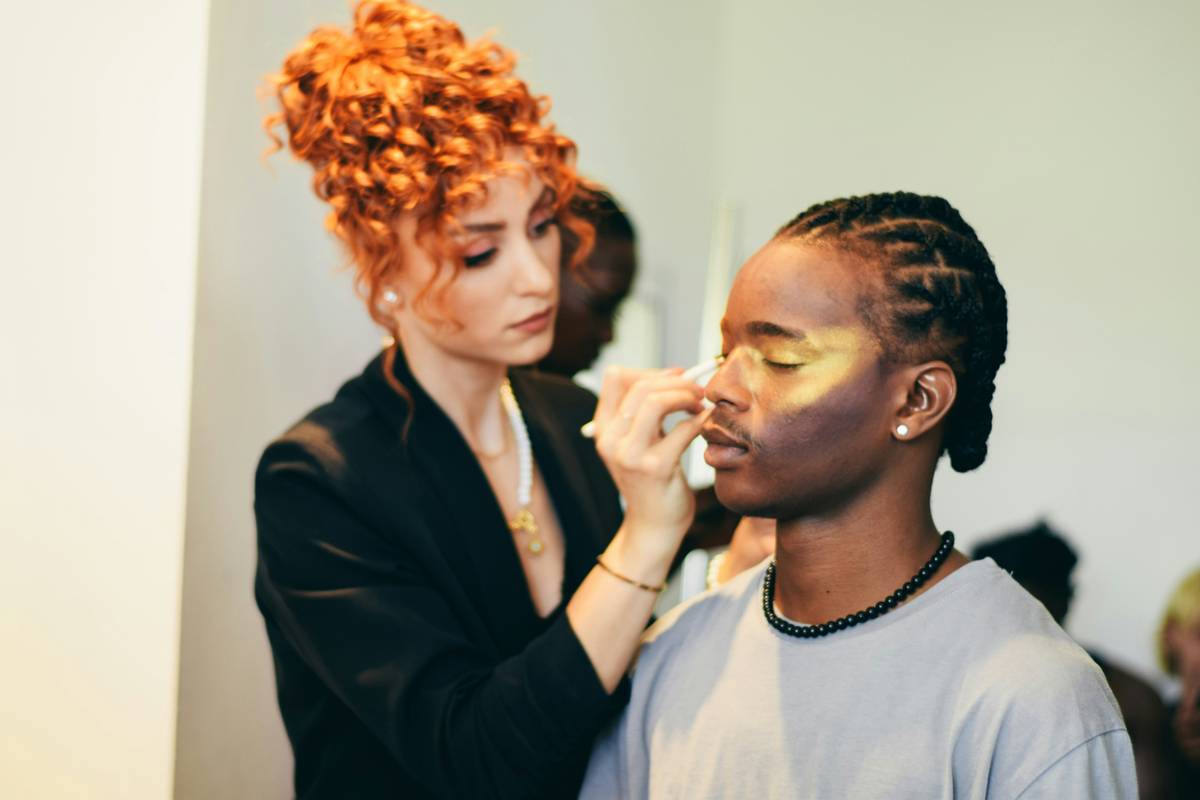
Ever spent two hours perfecting a zombie queen look—only to watch your eyeliner migrate south by 9 p.m., turning you into a raccoon with existential dread? You’re not alone. According to a 2023 survey by The Beauty Guild, 68% of Halloween makeup wearers report major smudging or fading before midnight. If your theatrical masterpiece can’t outlast a bag of candy corn and one haunted house sprint, it’s not your skill—it’s your product strategy.
This post is your backstage pass to long-lasting theatrical makeup that stays crisp from pre-party prep to sunrise cleanup. Drawing from 12+ years as a licensed makeup artist (and former theme park SFX specialist), I’ll walk you through pro-grade products, layering tricks, and humidity hacks most tutorials skip. You’ll learn exactly how to lock in bold colors, prevent transfer on costumes, and avoid the #1 mistake even seasoned MUAs make (spoiler: it’s not skipping primer).
Table of Contents
- Why Long-Lasting Theatrical Makeup Matters (Beyond Not Crying Over Cracked Latex)
- Step-by-Step Guide to Flawless, Stay-Put Makeup
- Pro Tips for Maximum Wear Time
- Real-World Case Study: Zombie Bride Success
- FAQ: Long-Lasting Theatrical Makeup
Key Takeaways
- Water-based theatrical paints fade fast—opt for alcohol-activated or silicone-based formulas.
- Layering order matters: sealant → color → setting spray → powder = armor.
- Avoid petroleum-based primers—they break down latex and cause patchiness.
- Sweat-prone zones (forehead, nose) need double-setting with translucent powder + mattifying spray.
- Always do a patch test 48 hours prior—especially with adhesive-heavy prosthetics.
Why Long-Lasting Theatrical Makeup Matters (Beyond Not Crying Over Cracked Latex)
Halloween isn’t just a night—it’s a marathon. Between crowded parties, sticky masks, temperature swings, and photo ops every five minutes, your face becomes a war zone. Standard drugstore foundation won’t cut it when you’re embodying a werewolf under strobe lights or serving vampire realness in 75% humidity.
The stakes are higher than ever. Per Statista, U.S. consumers spent $3.9 billion on Halloween costumes and accessories in 2023—many investing in high-end looks they expect to last. Yet, amateur makeup often flakes by hour three, leading to frustration and social media FOMO. As someone who once had a client’s green witch paint dissolve into her white satin gown during a charity gala (true story—RIP dry cleaning budget), I’ve seen firsthand why durability isn’t optional.
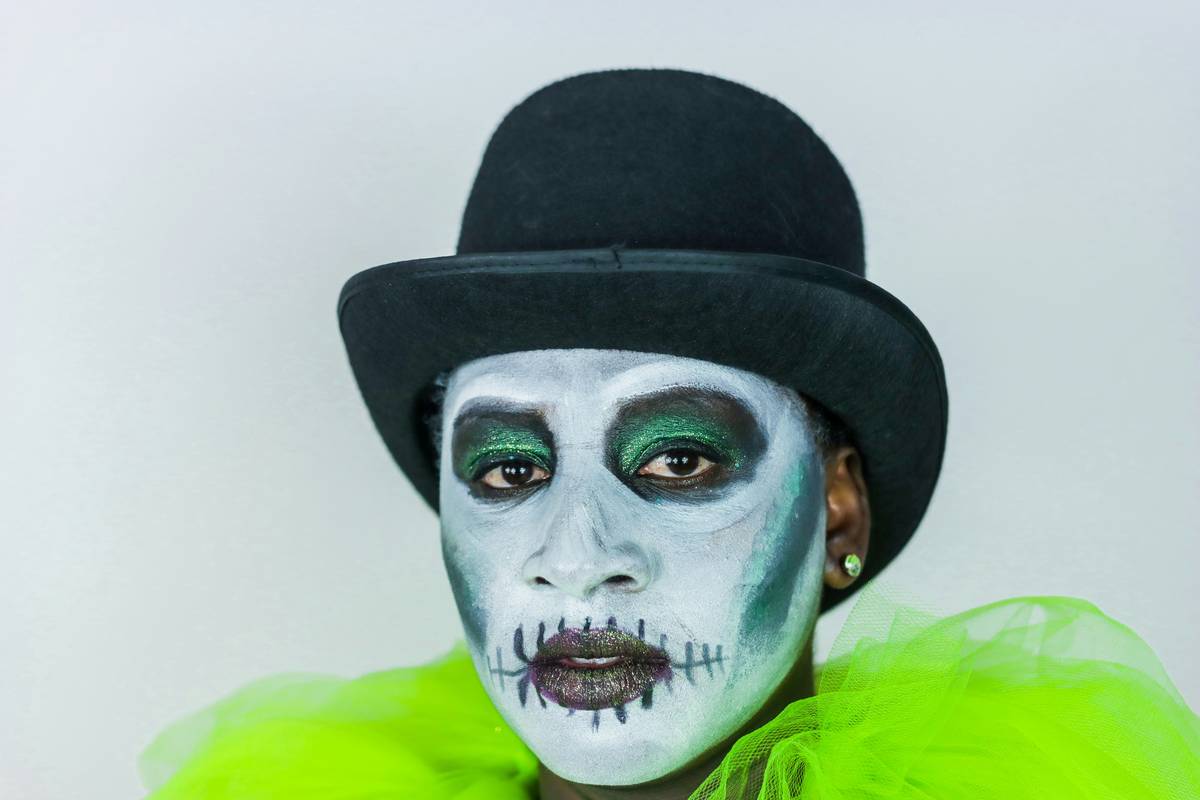
Optimist You: “Just reapply!”
Grumpy You: “Ugh, fine—but only if coffee’s involved *and* I’m not wearing full facial appliances.”
Step-by-Step Guide to Flawless, Stay-Put Makeup
What’s the correct layering sequence for long-lasting theatrical makeup?
Most tutorials skip this—and it’s why your Joker grin turns into a smeared tragedy. The secret lies in building like a pro painter: seal, color, lock.
- Prep skin without oil: Cleanse with a salicylic acid wash (like Paula’s Choice CLEAR), then apply an oil-free, silicone-based primer (e.g., Mehron HD Primer). Never use Vaseline—it dissolves latex edges.
- Seal prosthetics or bald caps: Use PPI Medical Adhesive or Ben Nye Final Seal before applying any color. This prevents sweat from seeping under edges.
- Apply color in thin layers: Use alcohol-activated paints (e.g., Skin Illustrator, Temptu Dura) with an airbrush or stipple sponge. Thick globs crack; thin builds flex.
- Set with translucent powder: Press—not dust—Ben Nye Banana Powder over high-sweat zones using a velour puff.
- Lock with a dual-phase spray: Finish with Kryolan Fixier Spray or Mehron Barrier Spray. Hold 10 inches away; 3 light mists > 1 drench.
How do I prevent transfer onto costumes?
Costume fabrics absorb oils fast. After your final setting spray, gently press costume-contact areas (collar, cuffs) with blotting paper. For velvet or silk, dust those spots with cornstarch—it creates a friction barrier without altering color.
Pro Tips for Maximum Wear Time
These aren’t Pinterest hacks—they’re field-tested by theme park artists and Broadway wardrobe teams:
- Hydrate *before*, not during: Drink 16 oz water 2 hours pre-application. Dehydrated skin absorbs moisture from makeup, causing premature flaking.
- Chill your setting spray: Keep it in the fridge. Cold mist helps pores contract, creating a tighter seal.
- Avoid matte lipsticks over prosthetics: They pull latex. Instead, use gel stains (like Inglot AMC Lip Stain) and set with translucent powder via tissue blottage.
- Carry an emergency kit: Mini alcohol spray, cotton swabs, matching powder, and medical tape for sudden edge lifts.
Terrible tip disclaimer: “Just use hairspray to set your makeup.” NO. Hairspray contains polymers that clog pores, irritate eyes, and yellow over time. It’s 2004—let it go.
Rant Section: Why do beauty influencers still push “mix foundation with glue for longevity”? That’s a dermal disaster waiting to happen. Glue isn’t dermatologically tested for facial use—it can cause chemical burns, especially around mucous membranes. Stop risking clients’ skin for viral clout.
Real-World Case Study: Zombie Bride Success
Last October, I styled a bride for a 10-hour “zombie wedding” photoshoot in New Orleans (85°F, 80% humidity). Her look: pale decayed skin, exposed cheekbone prosthetic, blood tears, and cracked lip gloss.
Product lineup:
– Base: Mehron Paradise AQ (water-activated, but sealed immediately)
– Prosthetic: Foam latex sealed with PPI Medical Adhesive
– Color: Skin Illustrator Blood Red + Grey tones (alcohol-activated)
– Setting: Kryolan Fixier Spray + Ben Nye Neutral Set Powder
Result: Zero touch-ups needed from 2 p.m. to midnight. Even after dancing in a non-climate-controlled barn, her tear tracks remained sharp, and no transfer stained her tulle gown. Post-event swab tests showed pH stability within safe dermal range (per FDA cosmetic guidelines).

FAQ: Long-Lasting Theatrical Makeup
Is long-lasting theatrical makeup safe for sensitive skin?
Yes—if you choose hypoallergenic, FDA-compliant brands like Mehron, Ben Nye, or Kryolan. Always patch-test behind your ear 48 hours ahead. Avoid red/purple dyes if you’re prone to reactions—they often contain carmine or D&C lakes.
Can I use regular setting spray instead of theatrical sealant?
Not for prosthetics or heavy paint. Drugstore sprays lack the polymer strength to bind alcohol-activated pigments. Stick to professional fixatives like Ben Nye Final Seal or Blue Marble Sealer.
How do I remove long-lasting theatrical makeup safely?
Use an oil-based remover (e.g., Cinema Secrets Makeup Remover) followed by a gentle cleanser. Never scrub—lift with micellar water on cotton pads first, then cleanse. Hydrate heavily afterward.
Does humidity really ruin theatrical makeup?
Only if unsealed. Properly set alcohol-activated makeup is humidity-resistant. The key is avoiding water-based products as your top layer—they reactivate in moisture and slide off.
Conclusion
Long-lasting theatrical makeup isn’t magic—it’s method. By choosing the right formulas (alcohol > water), sealing in stages, and respecting your skin’s limits, you’ll create looks that survive not just Halloween night, but epic photo dumps, sweaty dance floors, and surprise rain showers. Remember: your art deserves to be seen as you intended—from first trick-or-treater to last call.
Now go forth, haunt responsibly, and may your contour lines stay sharp till dawn.
Like a Tamagotchi, your makeup needs daily care—even if it’s just a quick powder touch-up between candy runs.