Ever spent 20 minutes applying “blood” to your kid’s vampire fangs—only to watch it melt into a sticky, neon-pink mess the second they step outside? Yeah, we’ve been there. Halloween excitement shouldn’t come at the cost of irritated skin, tear-streaked cheeks, or frantic post-party Google searches like “how to remove glitter from toddler eyelids.”
If you’re navigating the wild world of child costume makeup, you need more than a dollar-store face paint palette and hope. You need dermatologist-approved formulas, age-appropriate techniques, and tricks that last through candy runs, haunted houses, and inevitable meltdowns. In this guide, you’ll learn how to choose non-toxic products, apply long-wearing designs safely, avoid common allergens, and even create pro-level looks without a theater degree. Let’s make this Halloween magical—not messy.
Table of Contents
- Why Safe Makeup Matters for Kids (More Than You Think)
- Step-by-Step Guide to Applying Child Costume Makeup
- 7 Pro Tips for Flawless, All-Day Wear
- Real Parent Case Study: From Panda to Poison Ivy in 15 Minutes
- FAQs About Child Costume Makeup
Key Takeaways
- Always use FDA-compliant, hypoallergenic face paints labeled “non-toxic” and “for cosmetic use”—not craft paints.
- Do a patch test 24 hours before Halloween to rule out allergic reactions.
- Water-activated face paints last longer and irritate skin less than oil-based sticks.
- Avoid glitter near eyes—microplastics can cause corneal abrasions (per the American Academy of Ophthalmology).
- Set makeup with a light dusting of translucent powder to prevent smudging.
Why Safe Makeup Matters for Kids (More Than You Think)
Kids’ skin is up to five times thinner than adults’, making it far more permeable—and vulnerable—to irritants, dyes, and preservatives. A 2022 study published in Pediatric Dermatology found that 18% of Halloween-related ER visits for children under 10 involved allergic contact dermatitis from face paint. Yikes.
I learned this the hard way when my nephew broke out in angry red patches after wearing a store-bought “zombie” kit. Turns out, it contained D&C Red 17—a dye banned in EU cosmetics but still legal in some U.S. novelty products. That experience sent me down a rabbit hole of cosmetic regulations, ingredient decoding, and testing every “kid-safe” brand on the market.
The bottom line? Not all face paints are created equal. The FDA doesn’t pre-approve cosmetics, so it’s on us—the adults—to read labels like forensic scientists.
Step-by-Step Guide to Applying Child Costume Makeup
How do I prep my child’s skin before applying makeup?
Start with clean, moisturized skin—but skip heavy lotions. Use a lightweight, fragrance-free moisturizer like Cetaphil Baby Daily Lotion. Let it absorb fully. Why? Oily bases cause water-activated paints to slide right off.
What type of makeup should I use?
Opt for water-activated face paints from trusted brands like Snazaroo, Mehron Paradise AQ, or TAG Body Art. These dry quickly, offer vibrant pigments, and rinse off easily with soap and water. Avoid greasepaint sticks—they clog pores and often contain synthetic fragrances that trigger eczema flare-ups.
How do I apply it without tears (theirs or yours)?
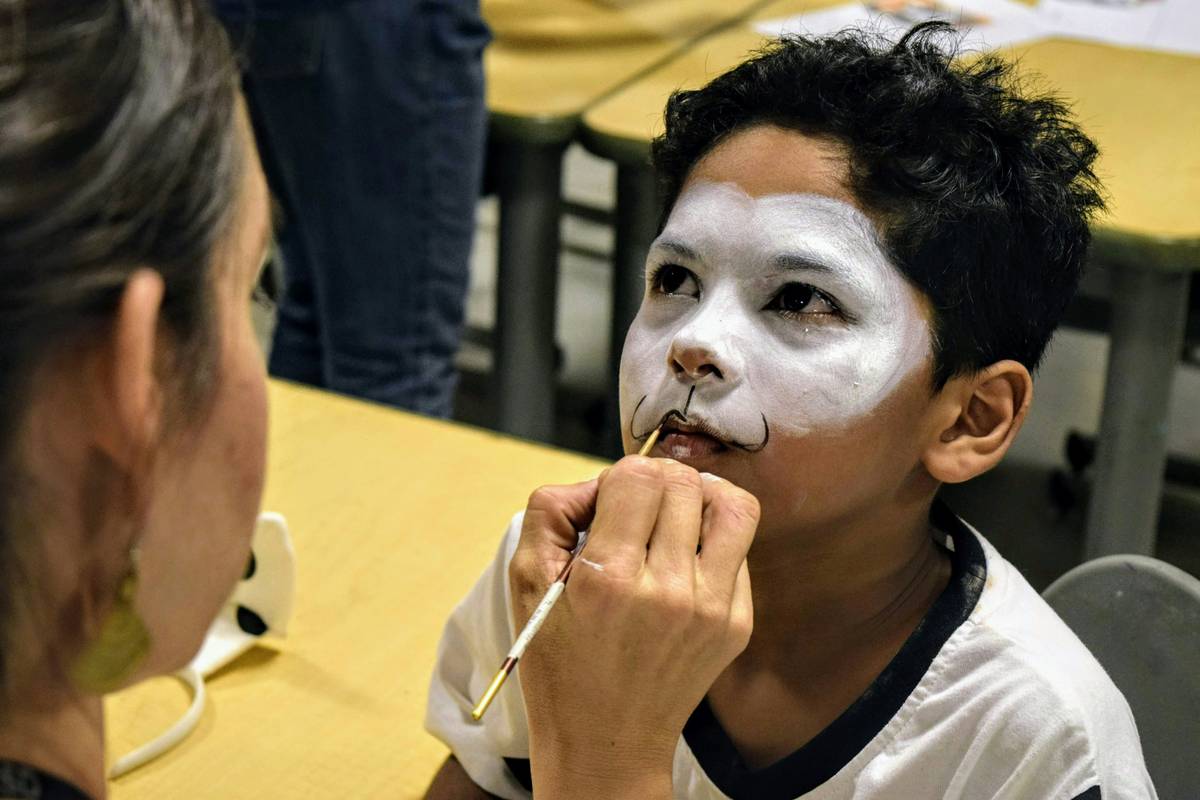
Use soft synthetic brushes or damp sponges. Never share applicators between kids—cross-contamination spreads staph and pink eye faster than you can say “trick or treat.” Apply in thin layers; thick globs crack and flake. For details (whiskers, scars, scales), use a fine liner brush dipped in activated paint.
Grumpy Optimist Dialogue:
Optimist You: “Layering builds dimension!”
Grumpy You: “Sure—if you want your kid looking like a dried mud pie by 9 p.m. Stick to one coat unless you’re painting a dragon… and even then, go easy.”
7 Pro Tips for Flawless, All-Day Wear
- Do a patch test: Apply a dime-sized amount behind the ear 24 hours before Halloween.
- Skip the glitter near eyes: The American Academy of Ophthalmology warns that loose glitter particles can scratch the cornea.
- Set with powder: Lightly dust translucent setting powder over finished makeup to lock it in place.
- Use barrier cream on brows: Apply Vaseline along hairlines and eyebrows to prevent staining.
- Keep wipes handy—but gentle ones: Choose alcohol-free micellar water wipes (like Simple Kind to Skin) for quick fixes.
- Avoid black around eyes: Dark pigments can look harsh and aged on young faces. Try deep purple or navy instead.
- Hydrate from within: Dehydrated skin = flaky makeup. Offer water before and during trick-or-treating.
Terrible Tip Disclaimer:
“Just use regular eyeshadow—it’s basically the same!” NO. Eyeshadows aren’t formulated for full-face wear and often contain bismuth oxychloride, which causes itching and redness on sensitive skin. Also, don’t use acrylic paint. Ever. (Yes, someone tried it. No, their kid didn’t glow-in-the-dark—in a good way.)
Rant Section:
Can we talk about those “Halloween kits” sold at gas stations with 12 colors crammed into a cracked plastic tray? They smell like burnt crayons and contain enough talc to resurrect a mummy. If the label says “for decorative use only” or lacks an ingredients list—put it back. Your child’s skin isn’t a canvas for industrial solvents.
Real Parent Case Study: From Panda to Poison Ivy in 15 Minutes
Last year, my friend Lena needed a last-minute costume for her 6-year-old who refused to be “just a ghost.” With 20 minutes until the school parade, she grabbed her Snazaroo palette (which I’d gifted her after the Great Zombie Rash Incident) and got to work.
Using green base + white highlights for ivy leaves, black for vines, and a touch of red on cheeks for “allergic reaction” flair, she created an impressive Poison Ivy look—all without tears or rashes. The secret? She applied a light layer of cornstarch-based baby powder after painting to set the design. Result? Makeup stayed put through three dance performances and a cupcake smash.
Moral: Prep + quality products = confidence. And maybe a standing ovation.
FAQs About Child Costume Makeup
Is face paint safe for toddlers?
Yes—if it’s labeled non-toxic, hypoallergenic, and FDA-compliant. Avoid use on children under 3 due to higher skin sensitivity and hand-to-mouth behavior.
How do I remove stubborn makeup?
Use warm water, mild soap, and a soft washcloth. For glitter or dark pigments, try coconut oil or baby oil first, then cleanse.
Can I make DIY face paint at home?
Not recommended. Homemade mixes (like cornstarch + food coloring) lack preservatives, harbor bacteria, and often stain. Store-bought, regulated paints are safer and more vibrant.
What if my child has eczema or sensitive skin?
Choose fragrance-free, mineral-based paints. Brands like Graftobian Hypoallergenic Face Paint or Kryolan Aquacolor are dermatologist-tested for reactive skin.
Does “non-toxic” mean edible?
No! “Non-toxic” means low risk if accidentally ingested in tiny amounts—but it’s still not food. Teach kids not to lick their lips while painted.
Conclusion
Halloween magic shouldn’t come with rashes, smudges, or stress. With the right child costume makeup—safe, tested, and thoughtfully applied—you can create stunning looks that last all night and wash off cleanly by bedtime. Remember: patch test early, choose water-activated paints, skip the eye glitter, and always prioritize skin health over spooky drama. This year, let your little goblin shine—safely.
And if all else fails? There’s always the classic bed sheet ghost. (But honestly, with these tips, you won’t need it.)
Like a Tamagotchi, your kid’s skin needs daily care—even on Halloween.