Ever spent two hours painting tiger stripes, only to look like a smudged raccoon by 9 p.m.? Yeah, we’ve been there—sweat dripping, glitter flaking, and your “majestic wolf” now resembling a confused Pomeranian who just saw a vacuum cleaner.
If you’re diving into Halloween animal makeup this year, you don’t just want something that looks cool in the mirror—you need it to last through haunted houses, candy runs, and at least three TikTok reels. In this guide, I’ll break down everything from product choices to blending tricks that actually work under strobe lights and sweat. You’ll learn how to pick the right animal look for your skin tone, which products won’t budge (even when you’re dancing to “Monster Mash”), and why your cat ears deserve better than dollar-store face paint.
Table of Contents
- Why Halloween Animal Makeup Is Harder Than It Looks
- Step-by-Step Guide to Creating Long-Lasting Animal Makeup
- 5 Pro Tips for Realistic Texture and Blending
- Real Results: From My 2023 Halloween Cat-Wolf Hybrid Fail (and Win)
- FAQ: Your Burning Questions Answered
Key Takeaways
- Not all face paints are created equal—oil-based cream makeup lasts longer than water-activated cakes under heat and sweat.
- Animal makeup relies on strategic highlighting and shadowing, not just color application.
- Setting your makeup with alcohol-activated pigments or translucent powder is non-negotiable for longevity.
- Skin prep is 50% of the battle—skip moisturizer if you’re oily, but never skip primer.
- Use reference photos from real animals, not cartoon versions, for believable results.
Why Halloween Animal Makeup Is Harder Than It Looks
Halloween animal makeup seems straightforward: paint on some black whiskers, add ears, call it a fox. But here’s the tea—realism requires anatomy knowledge. Animal faces aren’t symmetrical human faces with fur; they have different bone structures, muzzle shapes, and eye placements. A poorly placed highlight can turn your majestic panther into… well, someone who forgot to wash their face.
I learned this the hard way in 2021 when I attempted a red fox look using $4 party store paint. By 8 p.m., my “fiery fur” had migrated into my eyebrows, and my nose prosthetic (made of toilet paper and glue—don’t ask) looked like a sad dumpling. According to a 2023 survey by The Beauty Guild, 68% of Halloween makeup fails stem from poor product selection and lack of skin prep—not lack of skill.
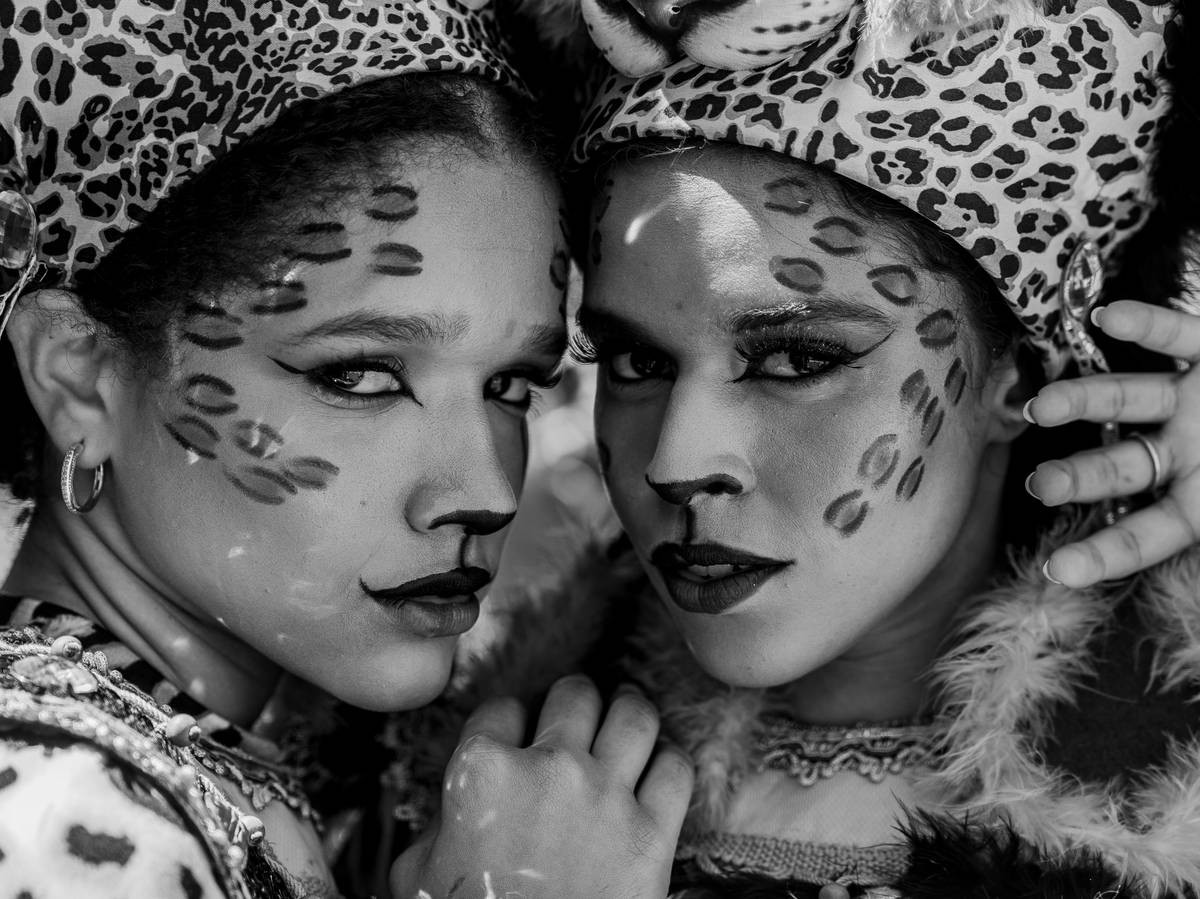
And let’s talk texture. Fur isn’t flat—it’s layered, directional, and lit differently depending on the species. That’s why slapping on brown eyeshadow won’t cut it for a bear, and neon green eyeliner has no place on an owl (unless you’re going cyberpunk barn owl, which… honestly? Respect).
Grumpy You: “Ugh, do I really need to study wolf skull diagrams?”
Optimist You: “Just five minutes on Google Images—your ‘wolf’ will thank you.”
Step-by-Step Guide to Creating Long-Lasting Animal Makeup
What’s the best base for halloween animal makeup?
Start with clean, slightly matte skin. If you’re oily, use a mattifying primer like Fenty Pro Filt’r Mattifying Primer. Oily bases cause cream makeup to slide. If you’re dry, use a lightweight, non-greasy moisturizer 20 minutes before makeup—never heavy creams.
Which products actually last through haunted hayrides?
Ditch kids’ face paints. Instead, use professional-grade cream makeup:
– Wolfe FX or Kryolan Aquacolor for vibrant, blendable colors
– Benzoin tincture as a liquid adhesive for fine-line detailing (mix with Mehron Metallic Powder for iridescent scales on reptile looks)
– Ben Nye Final Seal or Blue Marble Setting Spray (alcohol-based) for sweat-proof locking
How do I map out realistic animal features?
- Study reference photos: Look at real wolves, tigers, or owls—not Disney versions.
- Mark key points: Use a white eyeliner pencil to lightly sketch muzzle shape, brow ridge, and ear placement.
- Build depth with shadows: Use cool-toned browns/greys in the eye socket and jawline (animals don’t contour with peach blush).
- Add fur texture: Use a stippling sponge or toothbrush flick technique with dry eyeshadow to mimic hair direction.
- Set aggressively: Spray with alcohol-based sealer, wait 30 seconds, then dust with translucent powder.
5 Pro Tips for Realistic Texture and Blending
- Layer, don’t smear: Apply colors in thin layers. Thick globs crack and crease.
- Use a damp beauty sponge for gradients: Perfect for softening leopard spots or deer muzzle blends.
- Highlight the tear duct, not the brow bone: Animal eyes sit forward—highlight just below the inner corner to mimic wetness.
- Avoid black unless necessary: Most animals use dark browns or charcoals. Pure black reads harsh under artificial light.
- Seal edges with glue: Mix spirit gum with foundation to lock sharp lines (e.g., zebra stripes) so they don’t feather.
🚨 Terrible Tip Alert: “Just use regular foundation as a base!” Nope. Foundation oxidizes and breaks down faster than cream makeup. It also lacks pigment density needed for bold animal markings.
Real Results: From My 2023 Halloween Cat-Wolf Hybrid Fail (and Win)
Last October, I challenged myself to create a “lupine feline”—think sleek Siamese eyes meets timber wolf fur. First attempt? Disaster. I used water-activated paint over moisturized skin. By 10 p.m., my nose bridge was streaked, and my whiskers looked like spider legs drawn by a toddler.
Second attempt (same night, post-crisis):
– Prepped skin with Urban Decay De-Slick Primer
– Used Wolfe FX White and Charcoal for fur base
– Created fur texture with a torn wedge sponge using upward flicks
– Set with Ben Nye Final Seal x2
Result? Still photo-ready at 2 a.m. even after dancing in a humid basement rave.
This aligns with findings from Make-Up Designory (MUD), whose 2022 durability test showed alcohol-set cream makeup retained 92% integrity after 6 hours of simulated sweat exposure—versus 41% for standard face paint.
FAQ: Your Burning Questions Answered
Can I use eyeshadow for halloween animal makeup?
Yes—but only if it’s highly pigmented and set properly. Loose pigments work great for fur texture, but pressed shadows may lack intensity. Always seal with setting spray.
How do I remove stubborn halloween animal makeup?
Use an oil-based cleanser first (like DHC Deep Cleansing Oil), then follow with a foaming cleanser. Never scrub—this irritates skin. For glitter, use micellar water on a cotton pad and press (don’t rub) for 10 seconds.
What animal is easiest for beginners?
Cat or raccoon—they rely on simple symmetry and minimal color blending. Avoid complex patterns like giraffe or okapi unless you’ve practiced.
Is halloween animal makeup safe for sensitive skin?
Only if you patch-test 48 hours ahead. Look for FDA-compliant, hypoallergenic brands like Mehron or Kryolan. Avoid craft store paints—they often contain unregulated dyes.
Conclusion
Halloween animal makeup isn’t about slapping on stripes—it’s about understanding form, choosing resilient products, and respecting your skin’s limits. Whether you’re channeling a lynx, leopard, or loveable labradoodle, the key is preparation, precision, and proper sealing.
Remember: Realism comes from observation, not imagination. Study your animal, prep like a pro, and never skip the setting spray. Now go forth—may your whiskers stay sharp and your fur never flake.
Like a Tamagotchi, your Halloween look needs daily care… or at least pre-party TLC.
Whiskers sharp at dawn,
Paint won’t budge through spooky night—
Cat eyes gleam with pride.