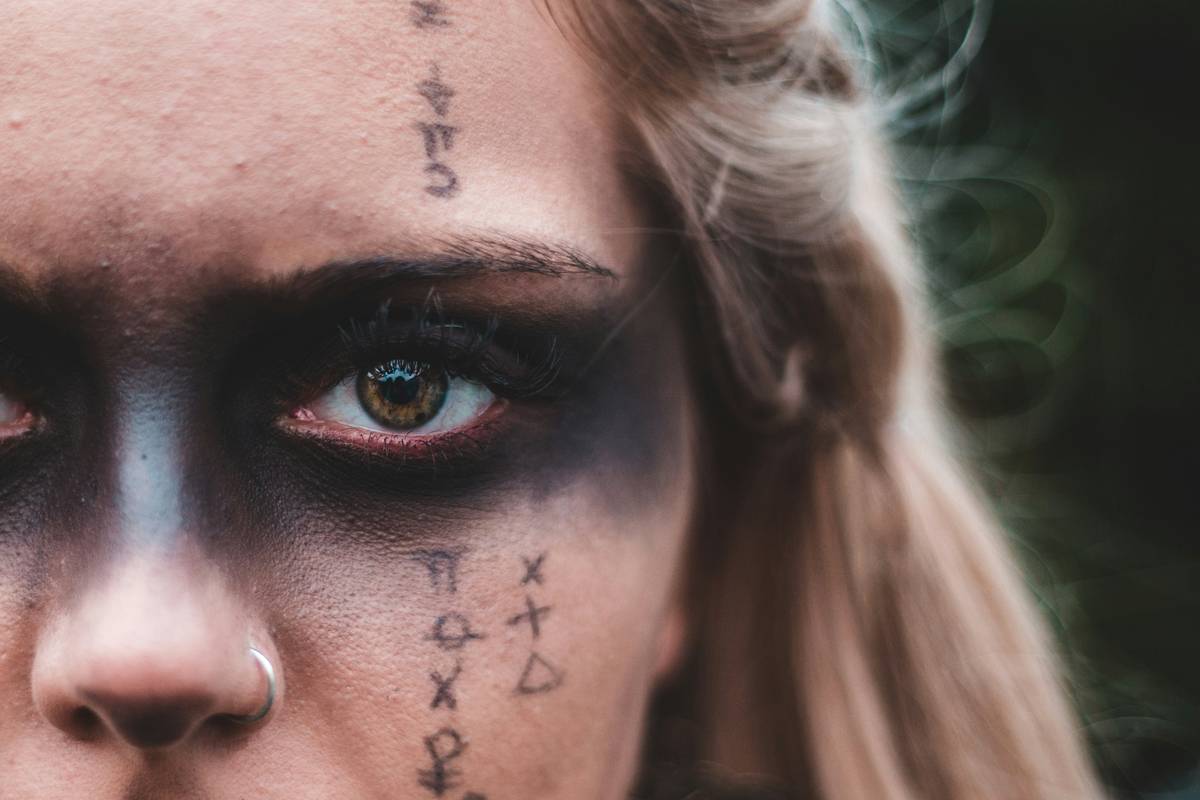
Ever tried to create “bloody” makeup only for it to look more like ketchup on your face? Yeah, we’ve all been there.
Halloween is the one night where going over-the-top with your makeup is not just accepted—it’s encouraged. But nothing kills the scare factor faster than cheesy, unrealistic “blood effects.” Don’t worry, though, because in this post, you’ll learn everything from choosing the right products to advanced techniques that will make your gory looks pop. Plus, I’ll share some hilarious fails and rant about why glitter should stay far away from horror makeup.
You’ll discover:
- The best tools and products for creating realistic blood effects
- Step-by-step guides tailored for beginners and pros alike
- Tips to avoid common pitfalls (spoiler: don’t use actual syrup)
- Real-life examples of killer Halloween transformations
Table of Contents
- Why Blood Effects Matter for Halloween Makeup
- Step-by-Step Guide to Creating Realistic Blood Effects
- Tips and Best Practices for Perfect Blood Effects
- Real-Life Examples of Scary Good Halloween Looks
- Frequently Asked Questions About Blood Effects
Key Takeaways
- Using high-quality fake blood can make or break your Halloween look.
- Layering textures and shades adds depth and realism to your blood effects.
- Avoid cheap shortcuts like food items—they ruin costumes and skin alike.
Why Blood Effects Matter for Halloween Makeup
Halloween isn’t complete without at least one terrifying transformation—whether you’re channeling a vampire, zombie, or cursed doll. And what’s scarier than blood dripping down your chin or oozing out of an open wound? Nothing says “stay away” quite like a well-executed gore effect.
I confess: My first attempt at Halloween blood involved red food coloring and corn syrup. It dried into sticky flakes within minutes and stained my white shirt beyond salvation. Lesson learned? Always invest in professional-grade products if you want to survive the night (and any photos).
Sensory alert: Picture this—a thick droplet of crimson liquid slowly rolling down pale skin. The texture glisteners under dim party lights, making everyone gasp. *That’s* how you do it.
Step-by-Step Guide to Creating Realistic Blood Effects
How Do You Choose the Right Fake Blood?
Optimist You:* “Just grab any bottle labeled ‘fake blood’!”
Grumpy You: “Ugh, fine—but only if you check its viscosity first.”
Different brands vary in thickness, color, and drying time. For dripping wounds, you need thinner consistency; for coagulated splatters, thicker formulas work better. Brands like Ben Nye and Mehron are industry favorites.
What Tools Should You Have Handy?
- Cotton Swabs: Great for dabbing and shaping.
- Pipettes: Perfect for precision drips.
- Latex Pieces: To simulate torn flesh underneath.
How Do You Apply Without Looking Messy?
- Start with a clean canvas (foundation helps).
- Create a base layer using darker tones around edges.
- Add highlights by lightly blending lighter shades in the center.
- Finish off with strategic drips or smudges.
Tips and Best Practices for Perfect Blood Effects
Here are some pro tips to take your blood effects game to the next level:
- Mix Colors: Real blood isn’t just red—it has undertones of blue, purple, and even black. Mix different pigments for authenticity.
- Use Textures: Add tissue paper or gelatinous chunks to mimic clots or torn veins.
- Test Drying Time: Some fake bloods dry fast while others stay wet longer—know which works best for your costume plan.
Rant Break: Let’s talk glitter. Glitter does NOT belong on horror makeup unless you’re cosplaying as Sparkly Vampire Barbie. Keep it classy (or scary).
Real-Life Examples of Scary Good Halloween Looks
Case Study Alert: Remember Sarah’s epic zombie bride transformation last year? She layered latex tears, smeared foundation cracks, and strategically placed fresh-looking bruises. Oh, and let’s not forget those dripping fangs courtesy of perfectly-applied blood effects!
“Sounds like applause after she walked into the haunted house…clap clap scream.”
Frequently Asked Questions About Blood Effects
Is Fake Blood Safe for Skin?
Most high-quality fake bloods are safe, but always patch-test before full application. Avoid cheaper alternatives containing unknown chemicals.
Can I Make DIY Fake Blood?
Technically yes, but here’s my terrible tip disclaimer: Never DIY unless desperate. Homemade recipes often lack staying power and irritate skin.
Conclusion
Halloween makeup is all about storytelling through visuals, and mastering blood effects brings your tale to life—or death, depending on how spooky you go! From selecting top-notch products to executing flawless technique, every detail counts.
Remember: Practice makes perfect, and patience pays off. Happy haunting!
Like a Tamagotchi, your Halloween makeup skills need daily care. Keep experimenting and slaying!